General
What a rack lockbox is, how it beats SentriLock and Supra boxes for condo buildings, and what slot rental costs. Compare options and book a LockboxRack demo.
What Is a Rack Lockbox?
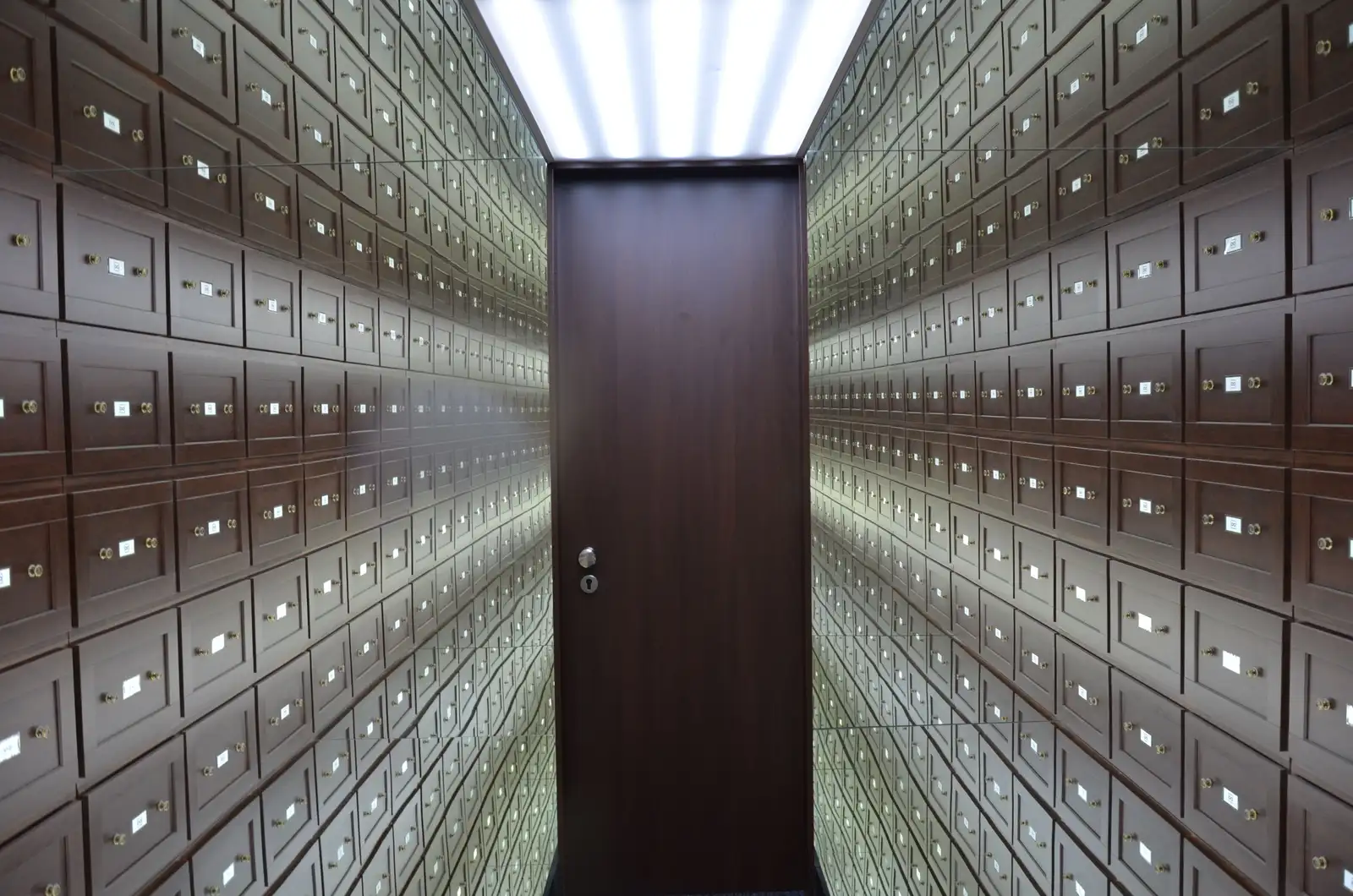
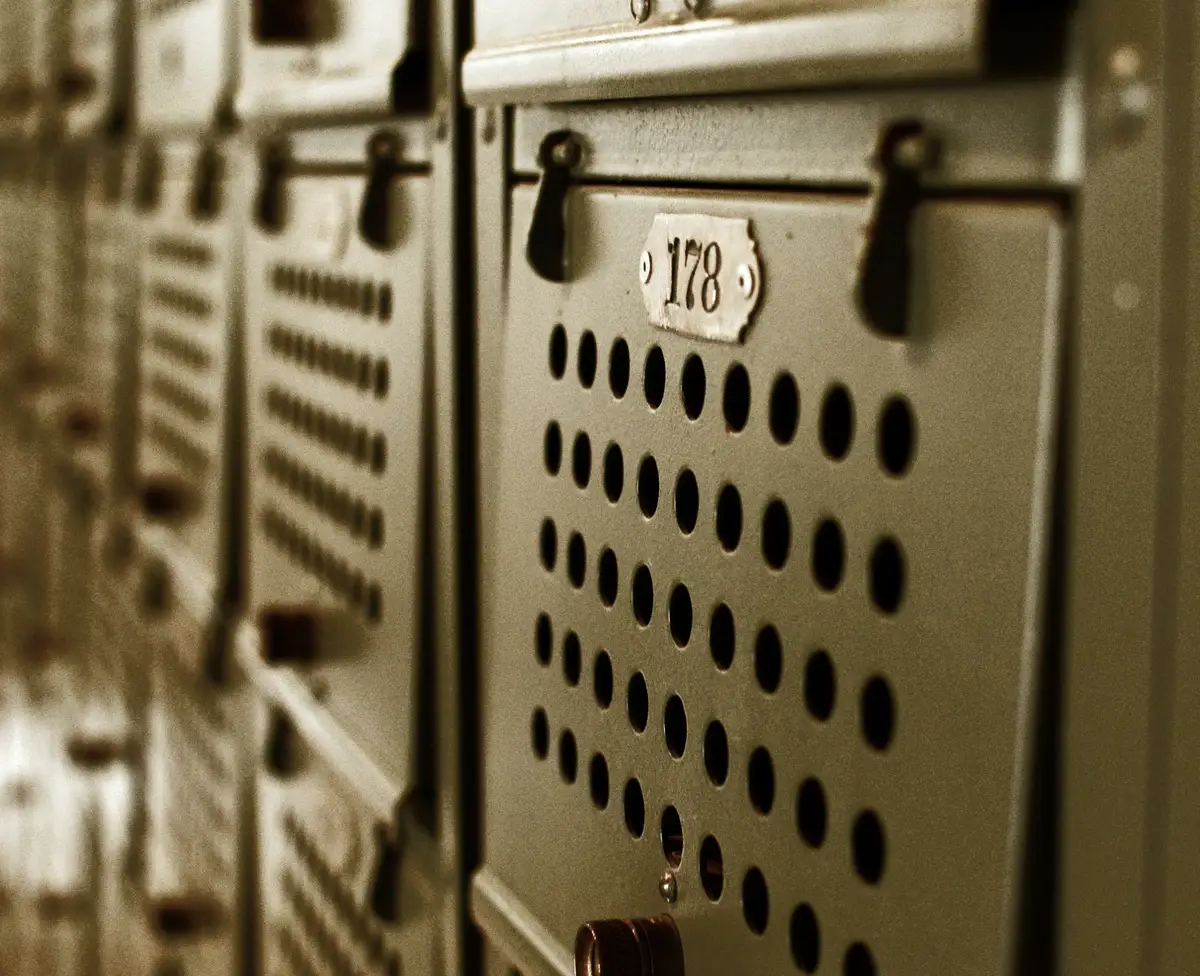
A rack lockbox is a shared, wall-mounted rack of numbered key slots that a building installs in one controlled spot, paired with software that records every open. It is not a single key safe clipped to a door. A rack lockbox lets a realtor reserve a slot online for the length of a listing. It hands the property manager one auditable log of who had access and when.
Rack lockbox is the term buildings use for a managed key rack, not a lone box on a railing. The rack holds many slots. The software decides who opens which slot, and it timestamps each entry.
Most people picture a padlock-style safe hanging off a door handle. A managed rack works differently. As of September 2026, LockboxRack Inc. builds two rack lines for this job, RackLite and RackVault, both running on its Smart Rack Platform.
When you weigh a rack lockbox, look past the metal. The real question is whether the system can tell you who opened a slot, at what time, and under whose booking.
Put plainly, a rack lockbox is an access-control system that happens to hold keys. The rack is the visible part. The log and the booking rules are what a building is actually buying, and they are what a padlock can never provide.
How does a managed rack differ from a single lock box?
A single lock box is a compartment with one combination. Once it clips onto a railing, nobody records who opens it. The building keeps no log and holds no say over the key inside.
A managed rack closes both gaps. Access ties to a named person and a specific listing, and every open is stamped with a time. According to the National Association of REALTORS, MLS policy lets associations require an approved lock box precisely because uncontrolled boxes create security and liability gaps.
In our experience, condo boards care most about that record. It answers the question a property manager dreads: who was in the building last Tuesday, and on whose authority? For related background, see our guide to lockable racks explained.
What the Smart Rack Platform adds
The Smart Rack Platform is the software layer behind each rack. It links one slot to a realtor, a listing, and a booking window, so the metal and the record stay in sync.
An agent reserves a slot online for the run of a listing. Check-in happens through qr code lock box registration, so there is no front-desk paperwork and no lost key handoff. When the listing ends, the slot releases for the next agent on its own.
That automation is the quiet advantage. Staff do not assign slots by hand, and nobody has to remember to reclaim one. A rack-mounted lock box handles the bookkeeping a wall of padlocks never could.
Why a Managed Lockbox Rack Matters for Condo Buildings
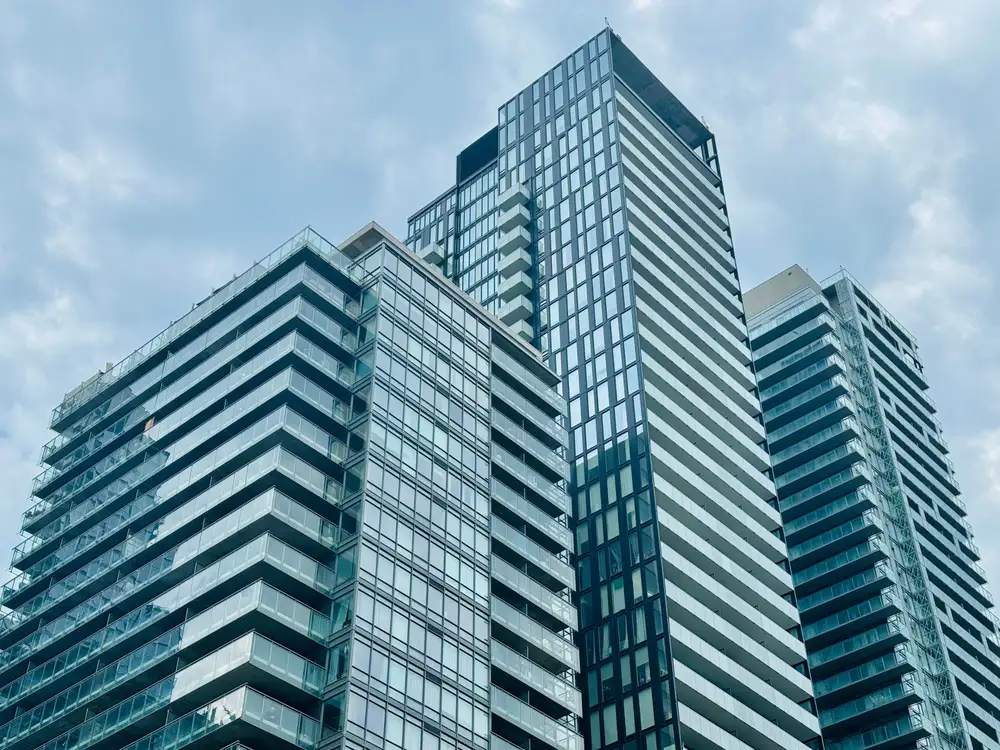
A managed lockbox rack matters because loose key boxes create three problems at once: a security gap, an overloaded front desk, and wasted floor space. A rack turns each one around. It gives the board an access log, takes key handoffs off the concierge, and earns rent from a lobby corner that used to sit empty and idle.
Dense markets feel this first. Per Statistics Canada’s 2021 Census, condominiums made up 23.9 percent of occupied dwellings in Toronto, so one tower can carry many active listings at the same time.
How realtor lock box rules condo boards set create friction
Most condos ban a box clipped to the front railing. Agents then leave keys at the concierge desk instead. That is where the realtor lock box rules condo boards adopt tend to break down in daily practice.
The desk becomes an informal key locker with no log. When we visited a downtown tower on a busy Saturday, staff were juggling dozens of showing keys with sticky notes for names.
A single tower can run twenty or more concurrent listings in spring. Each one is a key that lives somewhere, gets handed over, and comes back. A managed rack gives every one of those keys a numbered home.
Can a rack reduce the front desk workload?
Yes. A managed rack lets a building reduce front desk workload realtor lock boxes would otherwise pile onto staff. Agents serve themselves at the rack rather than at the desk.
Concierge staff stop logging keys by hand. According to the National Association of REALTORS 2023 Member Safety Residential Report, 23 percent of members had faced a situation that made them fear for their personal safety on the job. A fixed, monitored rack location is calmer than an ad-hoc handoff at the door.
The rack hands that whole task to software. The agent’s booking is the authorization, and the rack enforces it without a staff member in the loop.
Turning dead lobby space into revenue
A rack takes about the footprint of a coat stand. Rented by the slot, that corner earns steady monthly income for the building instead of nothing.
The economics track listing volume. Data from the Canadian Real Estate Association put its membership above 158,000 at the end of 2025. Every active agent working your building needs somewhere to leave a key.
A rack lockbox also earns its keep on the days nothing goes wrong. When a board wants proof of who could enter the building, a scattered set of padlocks cannot supply it. A single logged rack can, which is why the record often matters more to a manager than the rent it earns.
Few amenities pay for themselves. A slot-rental rack is one of the rare ones, because the demand already exists and the space already sits there. Explore RackLite for smaller condo buildings if you want a compact rack before scaling up.
Top Options Compared: Racks, Boxes and Smart Safes
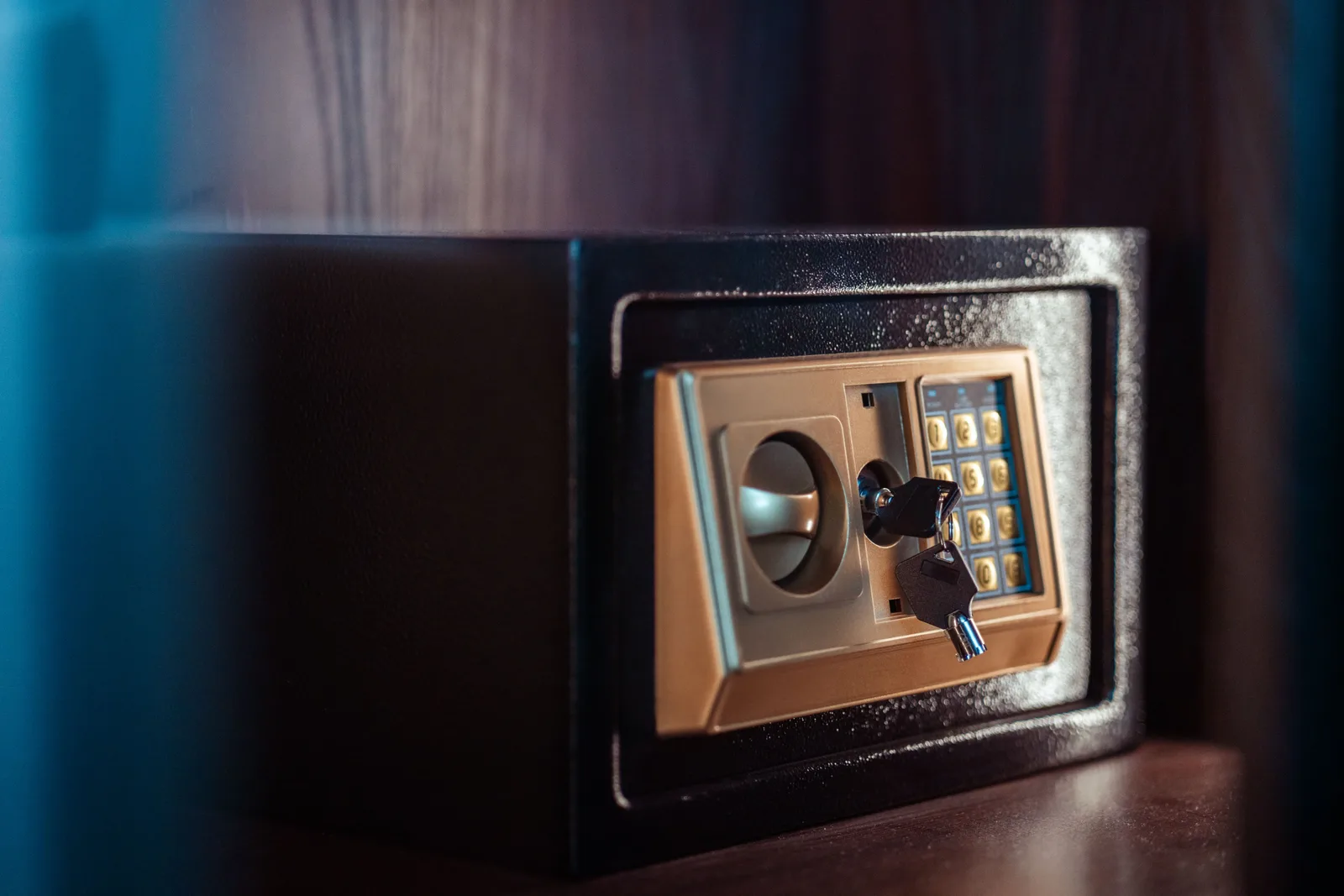
Every rack lockbox alternative on the market falls into one of three groups: MLS-tied electronic boxes such as SentriLock and Supra, standalone smart boxes such as Master Lock and igloohome, and managed rack suppliers such as LockboxRack. The right pick turns on whether you are an individual agent, a brokerage, or a building operator who wants one shared, billable rack in a single controlled place.
| Provider | Type | Best for | Access method | Building access log |
|---|---|---|---|---|
| SentriLock | MLS-tied electronic box | Individual agents, MLS members | Smartphone credential | Per agent, not per building |
| Supra | MLS-tied electronic box | Agents, brokerages | eKEY app, Bluetooth | Per agent, not per building |
| Master Lock | Standalone key safe | Owners, small landlords | Combination or Bluetooth | None to limited |
| igloohome | Standalone smart box | Short-term rental hosts | PIN or Bluetooth key | Per box, host only |
| LockboxRack | Managed rack, slot rental | Condo and apartment buildings | Web reservation, QR scan | Per building, full audit |
Read the table by its last column. Agent-owned boxes log access for the agent, which helps the person, not the property. Only a managed rack gives the building its own record.
SentriLock, Supra and the MLS-tied incumbents
SentriLock is the official lock box solution of the National Association of REALTORS and is owned by the association. Its SentriGuard boxes pair with the SentriKey Showing Service and open from an agent’s smartphone.
“Electronic lockboxes provide a great synergy of accessing technology with the smartphone they’re already using.”
Scott Fisher, Founder and CEO of SentriLock, in the National Association of REALTORS magazine
Supra, a Honeywell brand since its 2024 move from Carrier, is the other MLS incumbent. Supra reports that its networked boxes enable more than 70 percent of all listing accesses and log over 32 million accesses a year across the United States and Canada.
“I know I’m taking really good care of my sellers when I have a lockbox on there that I know that no one’s going to break into.”
Heather Zimmaro, agent at Coldwell Banker Heritage, quoted by SentriLock
Standalone smart lock boxes: Master Lock and igloohome
Master Lock, founded in 1921 and based in Oak Creek, Wisconsin, sells combination and Bluetooth key safes for owners and small landlords. They cost little, but they keep no building-wide log.
igloohome, a Singapore company, makes offline smart key boxes popular with short-term rental hosts. It grants visitors timed access from a PIN. Neither brand hands a property manager one rack to control across a whole building.
Where does a lock box rack supplier Canada fit?
LockboxRack is a lock box rack supplier Canada buildings can install locally, with head office and warehouse in Hamilton, Ontario. It sits between the agent-owned boxes above and a full concierge desk.
The building owns the rack and the log; agents rent the slots. That ownership is the line between the two models. An agent box serves the agent, while a rack serves the property that houses it.
See current rack locations and coverage for service areas. Discover RackVault for high-traffic lobbies that need a hardened rack.
Expert Tips and Common Mistakes When Choosing a System
The most common mistake is treating a rack lockbox as a hardware purchase instead of an access system. The box is the easy part. The value sits in the record, the billing, and the rules about who may open what. Judge the log and the revenue model first, then judge the metal that holds the keys.
We recommend scoring any provider against a short checklist before you sign anything.
- Does every open create a timestamped record tied to a named person?
- Can the building, not just the agent, see the full access history?
- Does a slot free itself when a listing ends, or must staff reclaim it?
- Is billing handled by the platform, or does the manager chase invoices?
- Is the supplier reachable locally for install and support?
What are the most common lock box mistakes?
The first mistake is no access log. A box with a shared combination tells you nothing about who came and went, so it fails the moment you actually need it.
The second is letting boxes clip to railings against condo rules, which invites tampering. I recommend one controlled rack location instead, so the building keeps a single clean record rather than scattered boxes.
Judge the log before the lock. A rack that cannot tell you who opened it is a cost, not a system.
Why automated billing for realtor lock box access matters
Manual invoicing is where slot-rental revenue quietly leaks. A platform that runs automated billing for realtor lock box access charges each agent for the days they hold a slot, with no staff time spent chasing it.
That turns the rack from a favor the concierge does into a line of building income. It also removes the awkward conversation about who owes what for which week.
Over a year, the gap between billed and unbilled access is the whole business case. Automated charging is what keeps a rack in the black. Get Started with a LockboxRack demo to see the billing view.
How to Get the Most Out of a Managed Rack

You get the most from a rack lockbox by treating it as a workflow, not a box on a wall. Publish the rack to your agents, move check-in to a QR scan, and let the platform keep the log and the billing. Done right, the concierge stops touching keys and the board gets a clean, exportable record of every single access.
Our team rolls out a new rack in a short sequence that most buildings finish inside a week.
How does qr code lock box registration work?
Fast onboarding rests on qr code lock box registration. An agent reserves a slot online, then scans a QR code at the rack to confirm they hold that slot for the listing.
No paper form, no desk queue, no spare key floating in a drawer. See the flow end to end in our walkthrough of how LockboxRack works for property managers.
Because the booking and the scan are linked, the person at the rack is always the person the system expects. That link is what makes the record trustworthy later.
Building a reliable access audit trail
Every reservation and every open writes to the log. When a board asks who accessed unit 1204 last month, the manager exports the record in minutes rather than guessing.
That audit trail is the feature condo boards ask for first, well ahead of any hardware spec. Your rack should make that export a two-click job, not a support ticket.
The trail also settles disputes fast. If an agent says they never entered, the timestamped log either backs them or corrects them, with no argument at the desk.
Treat the first month as a habit-building period. Publish the rack in a short memo to your agents, retire the concierge key drawer on a set date, and point everyone to the rack lockbox for check-in. Once the routine sticks, the desk rarely handles a key again, and the log fills in on its own.
What It Costs and What to Expect
A rack lockbox usually runs on a per-slot subscription that the building sets and the platform bills, so the space earns recurring income rather than a one-time hardware sale. As of September 2026, the model matters more than any single number: the building keeps the slot revenue, and the supplier provides the rack, the software, and the support.
Because the building sets the slot rate, costs scale with listing demand rather than a flat fee. For a full breakdown, read our complete guide to LockboxRack pricing.
What does a rack rental service cost?
Pricing has two sides: what the building pays the supplier, and what agents pay the building per slot. A well-run rack is designed so slot rent covers the service and then some.
Compare that with a standalone box from Master Lock, cheap up front but earning nothing and logging nothing. The rack model trades a subscription for revenue and a record.
Ask any supplier to model the break-even for your listing volume. A good one shows you when the slot income covers the subscription for a building your size.
RackLite vs RackVault: which fits your building?
RackLite suits smaller condo and apartment buildings with steady but modest listing volume. It is the compact starting point for a first rack.
RackVault is the hardened option for high-traffic lobbies and larger towers. Both run on the same Smart Rack Platform, so a building can start with RackLite and move up later.
The upgrade path matters more than the first choice. Because both racks share one platform, the log, the billing, and the reservations carry over intact when a building grows into the larger unit.
One more figure belongs in the math: the cost of doing nothing. A concierge who spends part of each shift on keys is a paid staffer doing unbilled logistics. Weigh a rack lockbox subscription against those hours, not against the price of a hardware-store padlock, and the model reads very differently.
Frequently asked questions
What is a rack lockbox?
How is a rack lockbox different from a Supra or SentriLock box?
Are realtor lock boxes allowed in condo buildings?
How does QR code lock box registration work?
Can a rack lockbox make money for the building?
Does LockboxRack have a mobile app?
Where is LockboxRack based?
Which is better, RackLite or RackVault?
How does a rack reduce front desk workload?
Ready to get started with LockboxRack?
The organized, auditable alternative to lock boxes zip-tied to fences, pipes and fire exits: one fixed rack, numbered slots, online reservations and a paper trail, so buildings stop absorbing realtor access as an unpaid, unmanaged burden.
1.What Is a Rack Lockbox?2.Why a Managed Lockbox Rack Matters for Condo Buildings3.Top Options Compared: Racks, Boxes and Smart Safes4.Expert Tips and Common Mistakes When Choosing a System5.How to Get the Most Out of a Managed Rack6.What It Costs and What to Expect7.Frequently asked questions