Property Management
A rack mount lock box gives condos one controlled place for realtor keys, plus an audit trail and revenue. Book a LockboxRack demo to see how it works.
What Is a Rack Mount Lock Box?
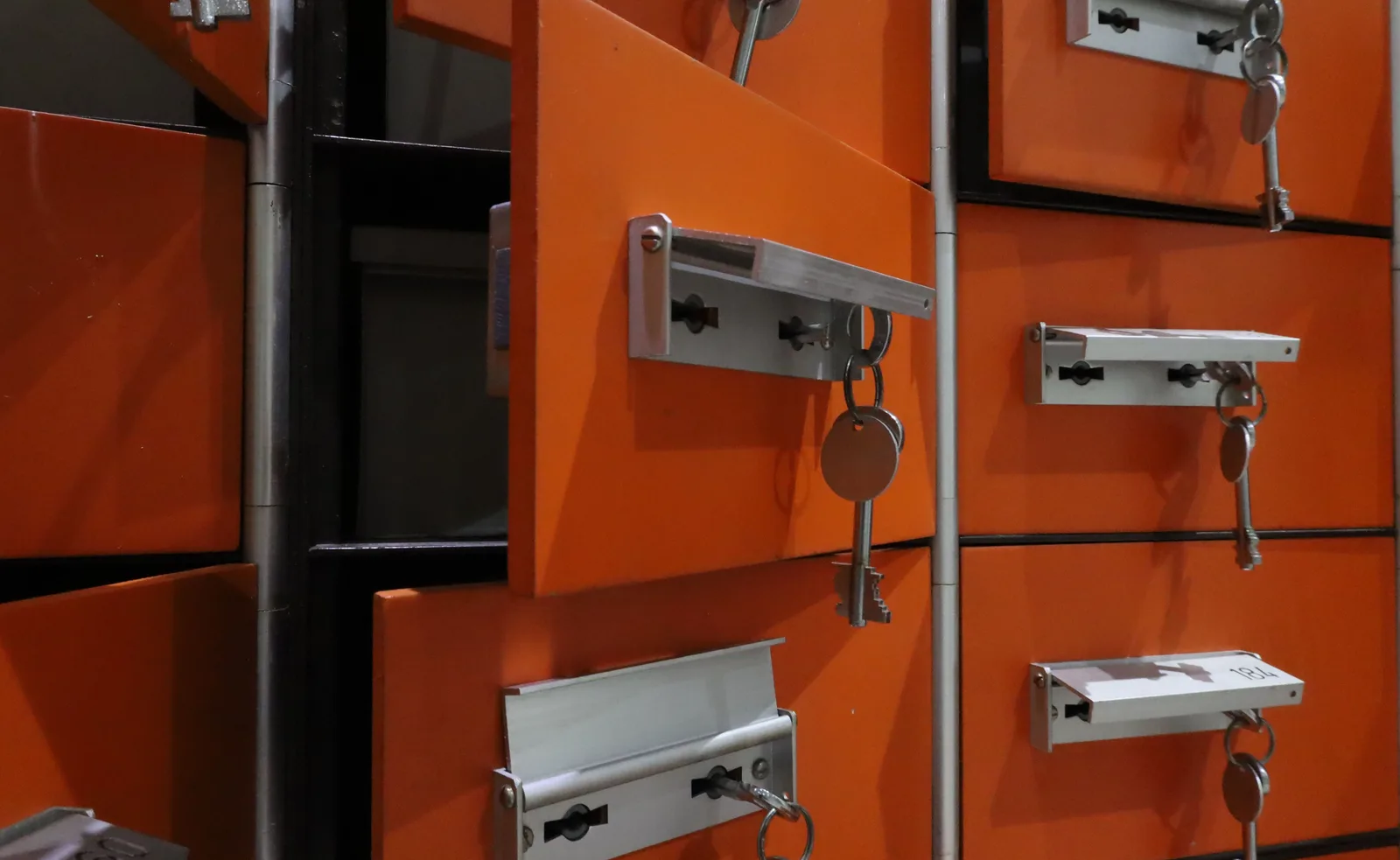
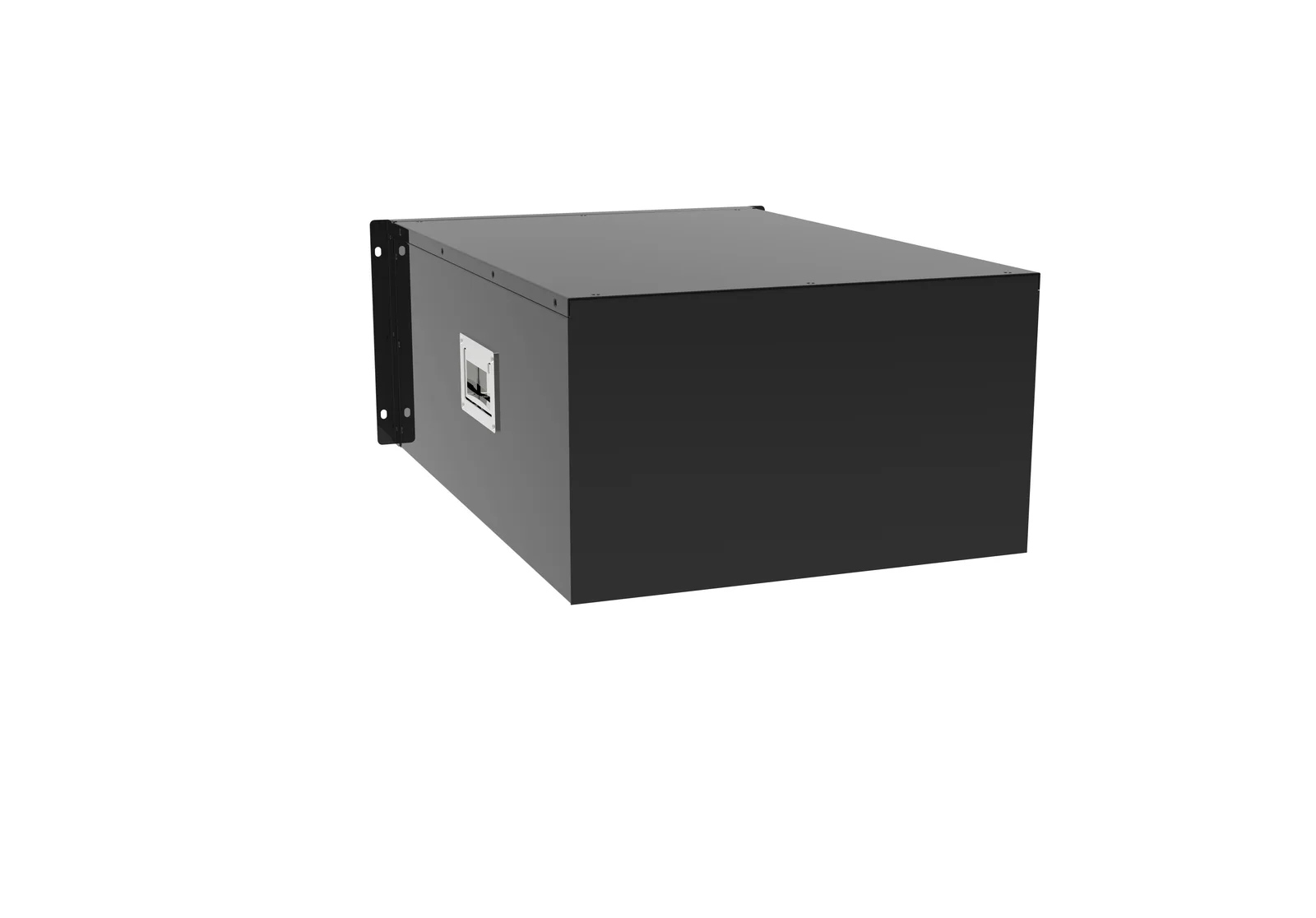
A rack mount lock box is a wall-mounted steel rack, fixed in one controlled spot inside a building, that stores many real estate lock boxes in numbered slots. Instead of agents clipping boxes to railings, gas meters and fire doors, every key sits in an assigned slot, rented online for the length of a listing, with a record of who holds it.
The idea starts with a problem most condo boards know well. A single building can carry a dozen active listings at once, and every showing agent needs somewhere to leave a key for other agents. Left to sort itself out, that becomes a scatter of boxes on anything metal near the door. Rack mount lock box systems replace that scatter with one keyed cabinet and a digital register.
How does lock box slot rental work?
Slot rental keeps the process on the building’s terms, not the agent’s. In our experience the flow is short and runs entirely in a web browser, with a QR code scan to start. There is no separate app to install.
- An agent scans the QR code on the rack, or opens the building’s location link.
- The web interface shows which numbered slots are currently free.
- The agent picks an empty slot and checks out on a monthly subscription.
- The slot registers to that licensed agent until they unsubscribe or the listing ends.
Because the whole thing is a web page, an agent visiting once can rent a slot in a few minutes and cancel the same way. That low friction is the point: lock box slot rental only works if agents use it instead of the nearest fence.
Here is the short version a busy agent needs. You do not buy anything, and you do not commit to a term. You rent one numbered slot on the wall of the building you are showing, you pay monthly, and you leave your own lock box in it. The building knows the slot is yours. When your listing closes, you cancel and the slot opens for the next agent. Nobody has to track you down.
What makes a smart lock box rack different from a single box?
A single electronic lockbox controls one key. A smart lock box rack controls the whole wall. RackVault and RackLite are wall-mounted 10-slot units that combine into larger configurations, and the slots sit on a keyed door so a manager can remove a box or enforce a policy. The building, not the agent, owns the space and grants the slots. That is the difference between reacting to boxes that appear overnight and running a written access policy. Explore RackLite for smaller buildings if you want to see the entry-level unit.
Why Managed Slot Racks Matter for Condo Buildings

Managed slot racks matter because scattered lock boxes are a safety, liability and revenue problem at the same time. A building with no system has no record of who left a box, whether it came off after closing, or who still holds a working key. A managed rack turns that into a written policy and, for the first time, a line of revenue for the building.
The clutter and safety problem
More condo units means more turnover, and more turnover means more keys hanging in common areas. Condominiums made up 15.0 percent of occupied Canadian dwellings in 2021, up from 13.3 percent in 2016, according to Statistics Canada’s 2021 Census. Boxes end up on fire doors and utility pipes, which reads as neglect to residents and can violate fire code or access bylaws. The people who work in these buildings do not mince words about it.
“The lock box situation at many condos has reached epidemic proportions.”Beverley Varcoe and Ryan Cunliffe, Canadian Condominium Institute (Condovoice)
Who has access, and can you prove it?
The harder question is accountability. When a key goes missing or a unit is entered without permission, most buildings have nothing to point to. According to CRES Insurance, “the main risk to seller’s agents is unauthorized use of the code to access the property.” A managed rack answers the question directly: every occupied slot is registered to a licensed, paying realtor, and a manager can view those credentials in real time and contact the agent if something looks wrong. That audit trail is the core of real condo building access control.
Turning shared space into revenue
A lobby wall or mail room is shared property, so an agent cannot just claim a spot on it. Because the building owns the wall, the manager grants the slots and charges a monthly access fee for them. We built LockboxRack so that space which earned nothing before now covers part of the cost of managing it. A managed rack changes the economics of lock box management from a running complaint into a small revenue line. See what RackVault secures for larger buildings with higher listing volume.
Comparing Racks and Electronic Lockboxes

Most buildings weigh three things: a mechanical combination box, a networked electronic lockbox from a vendor like Supra or SentriLock, and a managed rack that organizes whatever boxes agents already own. They solve different layers. An electronic box secures one key with its own log, while a rack mount lock box secures the whole location and the wall it hangs on.
| Approach | What it controls | Access method | Audit record | Building revenue |
|---|---|---|---|---|
| Mechanical combo box | One key | Shared code dial | None | None |
| Supra eKEY | One key | Agent smartphone credential | Per-box access log | None to building |
| SentriLock | One key | Card or app code | Per-box access log | None to building |
| LockboxRack managed rack | The whole location and wall | QR scan, web slot rental | Slot registered to a licensed agent | Monthly access fee to building |
Electronic lockboxes: Supra and SentriLock
The networked electronic lockbox market is led by two names. Supra reports its eKEY app is used by roughly one million agents, and Honeywell acquired the Supra business as part of its US$4.95 billion purchase of Carrier Global’s access solutions unit in 2024. SentriLock states it is “100% owned by the National Association of REALTORS,” which itself represents more than a million members through the National Association of REALTORS. Both verify who opens each box, which is exactly what a mechanical dial cannot do.
“We are excited to now offer customers an integrated solution for scheduling and lockbox access.”J. Lush, Vice President of Sales, Supra
Where a managed rack fits
A rack does not replace an electronic box; it organizes them. An agent can keep a Supra, a SentriLock, or a Master Lock box and still rent a slot on the wall. The box handles one key. The rack handles where every box lives, who holds a slot, and whether the space earns anything. That is why a real estate lockbox program and a rack are complements, not rivals. You can compare the full LockboxRack product range before deciding.
Insider Tips from Hamilton Property Managers

After installing racks in Hamilton, Ontario buildings, a few habits separate a smooth rollout from a slow one. Pick the right indoor wall, publish the slot policy before the first box goes up, and hand agents the location link so they self-serve. The buildings that write the rule first spend the least time policing it later.
Where to mount the rack
When we visited buildings to plan installs, the best spot was almost always an indoor, controlled area near the entrance: a mail room, a package room, or a managed vestibule. It needs to be reachable by agents during showing hours but inside the building’s own access control, not out on an exterior fence. Keeping the rack indoors also keeps the hardware and the keys out of the weather and out of public view.
Write the slot policy before install
We recommend publishing the rule in writing before the rack goes up: who may rent a slot, for how long, and what happens at closing. The system enforces the end automatically, so when a subscription ends the space is released without a manager chasing anyone. Good property manager lockbox policy is boring on purpose, and that is the point.
How do you get agents to actually use it?
Agents adopt what saves them time. The two things that move them are a QR code right on the rack and a shareable location link they can open from a listing appointment. Because an agent can unsubscribe anytime and stop payments, the perceived risk of trying it is low. Find your building’s rack location to see how the link looks to an agent in the field.
One more habit worth copying from the buildings that got this right. A rack mount lock box only pays off if the policy behind it is clear, so we spend more time on the rule than on the hardware. Send the slot policy to your listing agents once, pin the location link in the building’s agent-facing notes, and let the automatic billing and release handle the rest. After that, the rack runs quietly in the background and the manager stops fielding calls about boxes on the fire door.
Getting the Most Out of a Rack System
To get the most from a rack mount lock box, treat it as an access policy, not just hardware. Keep every slot tied to a licensed agent, review the register when listings close, and let the automated billing handle renewals so no one chases payments. The value is the record and the enforcement, not the metal on the wall.
Keep the digital register clean
Every occupied slot should map to one paying, licensed realtor. When billing, renewals and slot status run automatically, the register stays current without staff effort, and an ended subscription releases the slot on its own. That is the difference between a wall of anonymous boxes and a system a board can actually audit.
Use the audit trail when disputes happen
Disputes are where the record earns its keep. If a resident reports an entry they did not expect, or an agent is blamed for damage after a showing, the building can name the slot holder and the credentials attached to it. No lock box is ever tied to a specific listing, and only the slot number is known to the listing and showing agent, which keeps a real estate lockbox program from becoming a map to a particular unit. That design choice protects residents as much as it protects the record.
Scale from one wall to many
Because RackLite and RackVault are 10-slot units that combine into any configuration, a building can start with one wall and add capacity as listing volume grows. A smart lock box rack that fits a 40-unit walk-up also scales to a tower with constant turnover. For a full walkthrough of the manager side, read how LockboxRack works for property managers. When you are ready for numbers, Get started with a LockboxRack demo.
Pricing, Schedules and What to Expect
Pricing works as a monthly subscription per slot, billed automatically, and an agent can unsubscribe anytime to stop payments. LockboxRack does not publish a public rate card, so the exact figure depends on the building and the configuration. Booking a demo is the way to get numbers for your property. Updated August 2026.
What does a rack cost a building?
The honest answer is that it depends, and we will not invent a number here. What is fixed is the model: the building charges a monthly access fee per slot, billing and renewals are automated, and that fee is meant to offset the cost of managing access. Because there is no public rate card, the right next step is a demo where the team quotes against your unit count and listing volume. As of August 2026, that is how a quote is produced.
What the rollout schedule looks like
A typical rollout moves through a short, predictable set of steps rather than a long project. Lock box slot rental goes live for agents once the wall is installed and the location link is published.
| Stage | Who acts | What happens |
|---|---|---|
| 1. Assess | Property manager | Pick the indoor location and slot count |
| 2. Install | LockboxRack | Mount the RackLite or RackVault units |
| 3. Publish | Property manager | Share the QR code and location link |
| 4. Rent | Realtors | Scan, pick a slot, subscribe monthly |
| 5. Renew | Automated | Billing and release run on their own |
As of August 2026, what should you expect?
Expect a web-based interface with a QR code scan, not a downloadable app, and a rack that lives inside your building. LockboxRack runs its head office and warehouse in Hamilton, Ontario, so the fastest way to confirm availability and pricing for your building is to contact the team directly. If your building is tired of guessing who owns the box on the fire door, a managed rack is the fix, and the demo is where you find out what it would cost you.
Get started with a LockboxRack demo and bring your unit count and current listing volume. That is all the team needs to give you real numbers and a rollout date, instead of another box appearing on the wall overnight.
Frequently asked questions
What is a rack mount lock box?
How much does a rack mount lock box cost?
Is a rack safer than hanging a lock box on a railing?
Do realtors need an app to use a lock box rack?
What is the difference between RackLite and RackVault?
Can a property manager see who rented each slot?
What happens to a slot when a listing ends?
How is a rack different from a Supra or SentriLock electronic lockbox?
Where is LockboxRack available?
Can a building make money from a lock box rack?
Ready to get started with LockboxRack?
The organized, auditable alternative to lock boxes zip-tied to fences, pipes and fire exits: one fixed rack, numbered slots, online reservations and a paper trail, so buildings stop absorbing realtor access as an unpaid, unmanaged burden.