Realtor Account and Slot Management FAQ
How does LockboxRack work for property managers? See how one smart rack logs access, frees up space and earns slot revenue. Book a LockboxRack demo today.
How Does LockboxRack Work For Property Managers: A Complete Overview
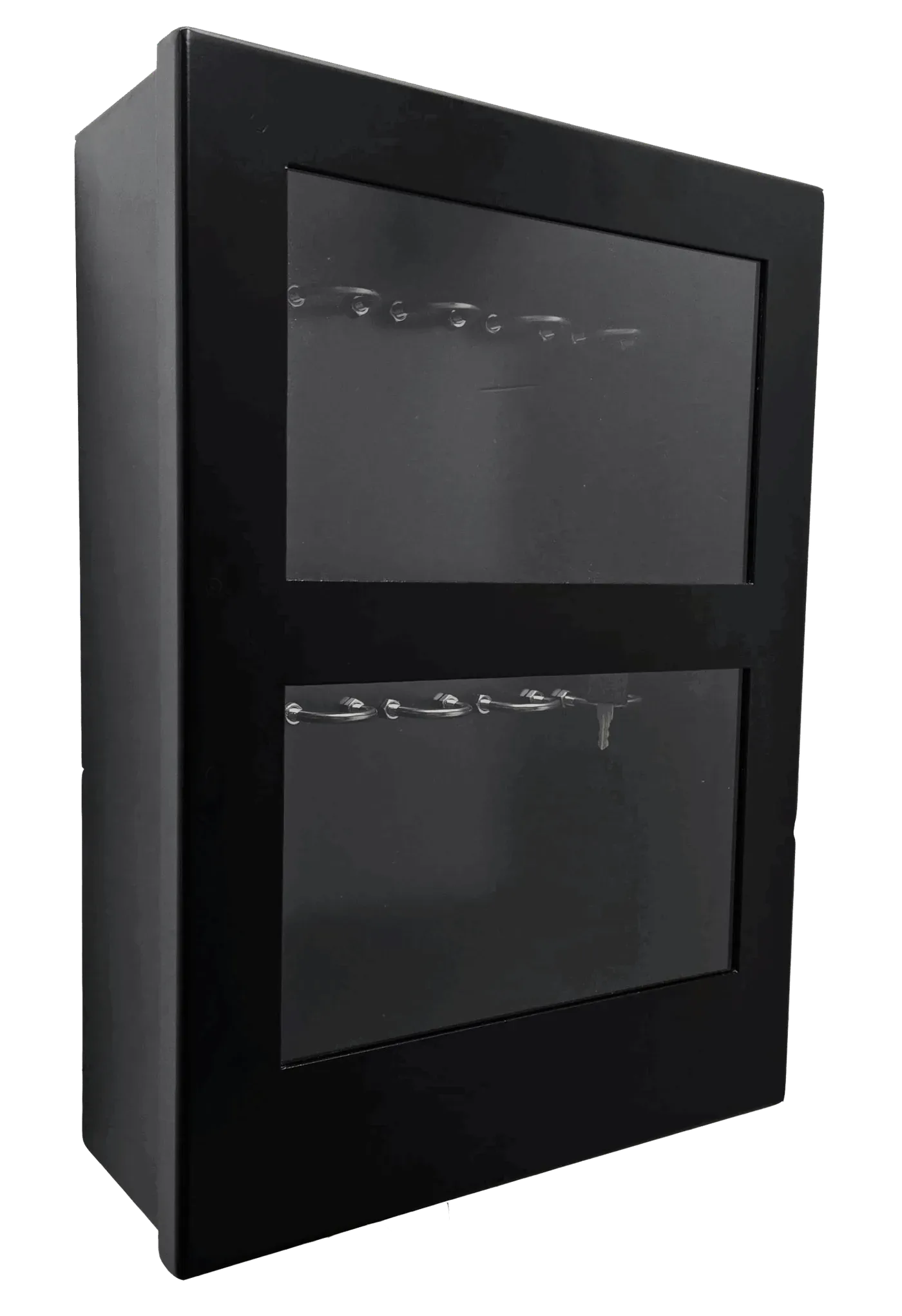
How Does LockboxRack Work For Property Managers is a simple system. A property manager installs one smart lock box rack in a single controlled spot inside the building. Realtors reserve a numbered slot online for the length of a listing. The building keeps an auditable record of who holds access, and it earns revenue from space that used to sit empty.
How does lockboxrack work for property managers in one line? It moves lock boxes off railings, fences and gas meters into one managed rack. LockboxRack Inc. supplies the hardware and the Smart Rack Platform software that runs the bookings. The company is based in Hamilton, Ontario, Canada. This guide is updated for July 2026.
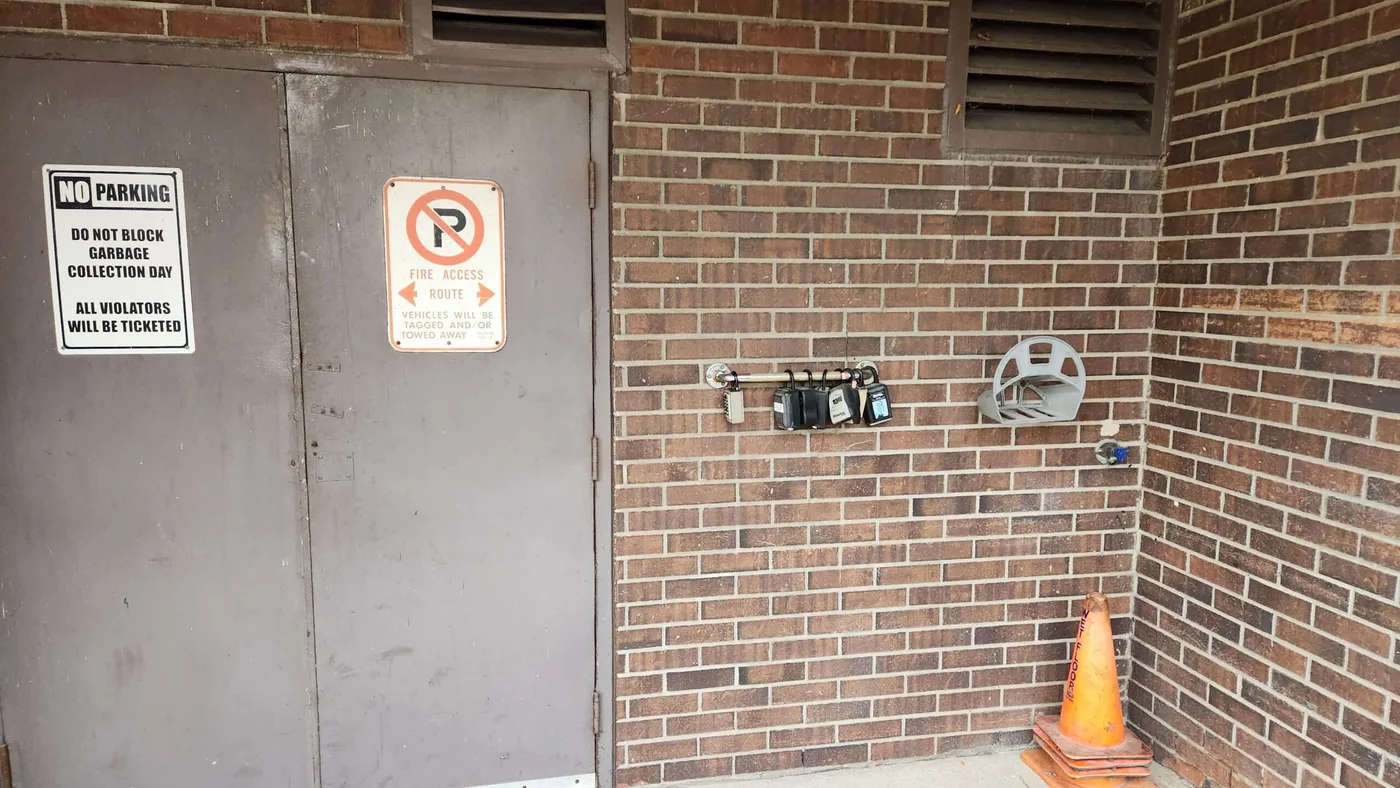
Before a system like this, most buildings had no control at all. Agents clipped key boxes wherever they could reach. The Canadian Condominium Institute described the result bluntly.
“The lock box situation at many condos has reached epidemic proportions.”Beverley Varcoe and Ryan Cunliffe, CCI Toronto Condovoice (2019)
LockboxRack answers that directly. One rack, one location, one record. In our experience walking condo boards through the model, the part that lands hardest is the audit trail. A manager can see which slot was booked, by whom, and for how long. That record did not exist when a box hung on a stairwell railing.
The workflow has four moving parts. A manager mounts a rack in a controlled area such as a mail room or vestibule. A realtor books a numbered slot through the web interface. The realtor places their own key box in that slot. The slot frees up when the listing ends. There is no mobile app to install; access runs through a web interface and a QR code scan.
LockboxRack sells two rack lines, RackLite and RackVault, plus the Smart Rack Platform that manages reservations. We cover the difference between the lines further down. If you want the short version now, you can Explore the LockboxRack product range and compare them side by side.
The payoff for a property manager is concrete. You get a record of access. You get a single place to look. And you get a revenue line from a numbered slot that a realtor pays to reserve. We recommend reading this page in order, because each section answers the next question a first-time manager tends to ask.
Who is this really for? Any condo or apartment building where more than a handful of units list for sale or rent in a year. In those buildings, how does lockboxrack work for property managers stops being abstract, because the sheer count of key boxes is what turns a tidy lobby into a wall of clutter. A single smart lock box rack scales with that volume instead of fighting it.
Where Do Property Managers Install The LockboxRack Rack?
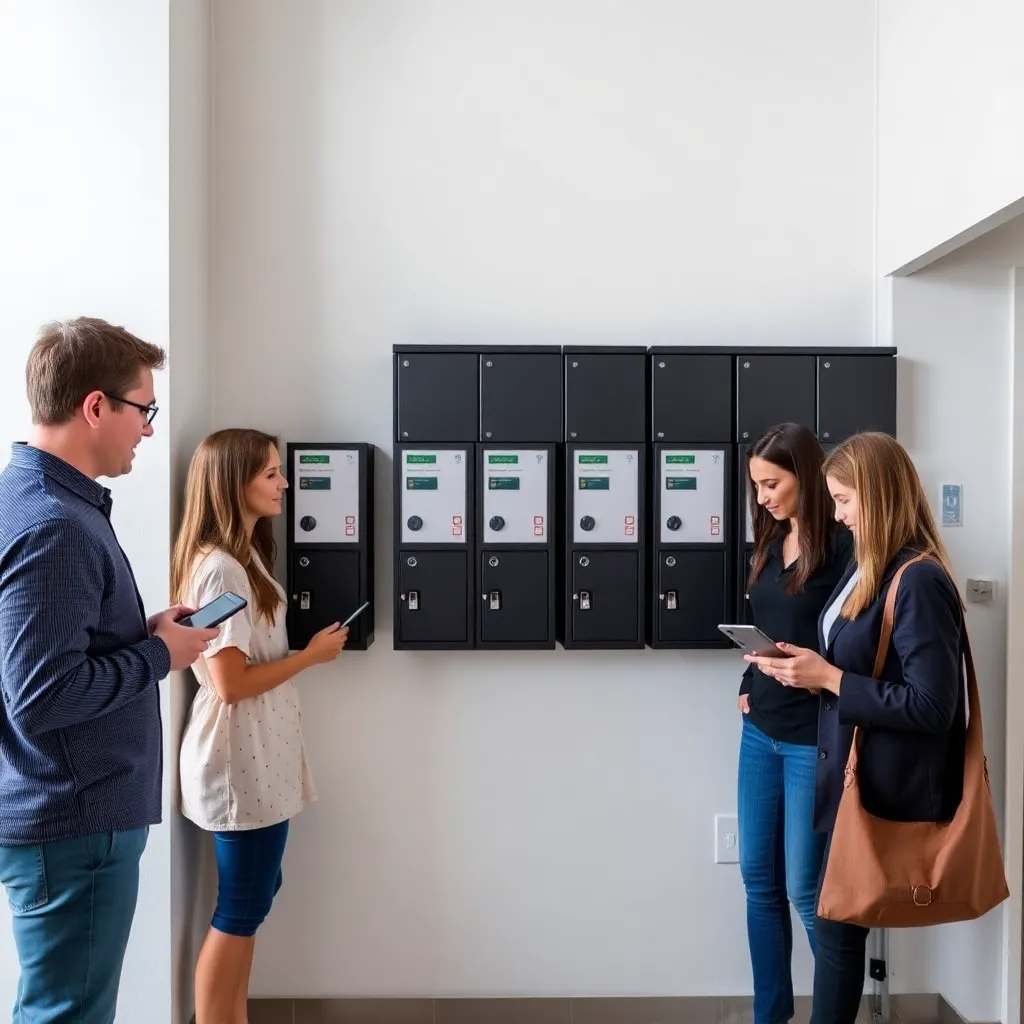
Property managers install the LockboxRack rack in one secure, well-lit, indoor location the building controls, such as a mail room, a vestibule, or a management corridor. Putting every key box in a single supervised spot is what provincial regulators ask for. It also removes the scatter of boxes clipped to railings, fences and gas pipes around the property.
The location rule is not arbitrary. The Real Estate Council of Ontario is explicit in RECO Bulletin 7.2, updated for 2024.
“Lockboxes should be located in a safe, well-lit, secure, and accessible place.”RECO Bulletin 7.2, Real Estate Council of Ontario
A managed rack turns that guidance into a physical default. When we visited buildings that had switched to a single rack, the change was obvious at the front door. No boxes on the handrail. No boxes on the visitor-parking sign. Everything sat in one place the concierge could see.
Condo boards also care about permission. RECO notes that placing a lockbox on a common element can require the property manager’s consent. A building-owned rack settles that in advance, because the manager owns the location and sets the rules for the slots. This is where condo building access control starts to feel manageable instead of chaotic.
Choosing the spot follows a short checklist. Property managers who write it down once tend to reuse it across every building in the portfolio.
- Pick an indoor, monitored area. A mail room or vestibule near the concierge works best.
- Confirm it is well-lit and accessible. Agents visit at odd hours, so lighting matters.
- Keep it off the suite-number sightline. RECO warns against labelling a box with a unit number.
- Reserve the wall or floor space. One rack replaces dozens of scattered boxes.
- Write the location into your access policy. Note who may approach the property manager lockbox rack.
Common elements are the sticking point in most condos. A lobby wall, a mail room, or a parcel area is shared property, so an agent cannot simply claim a spot on it. Because the building owns the rack and the space it sits on, the manager grants the slots instead of reacting to boxes that appeared overnight. That single change turns condo building access control from a running complaint into a written policy.
Location also drives the revenue side. Because the rack lives on building-controlled space, the building can charge realtors to reserve a numbered slot there. That is space that earned nothing before. You can Find rack location options for your building and see how one controlled spot replaces the clutter.
What Should A Property Manager Expect From Day-To-Day Use?
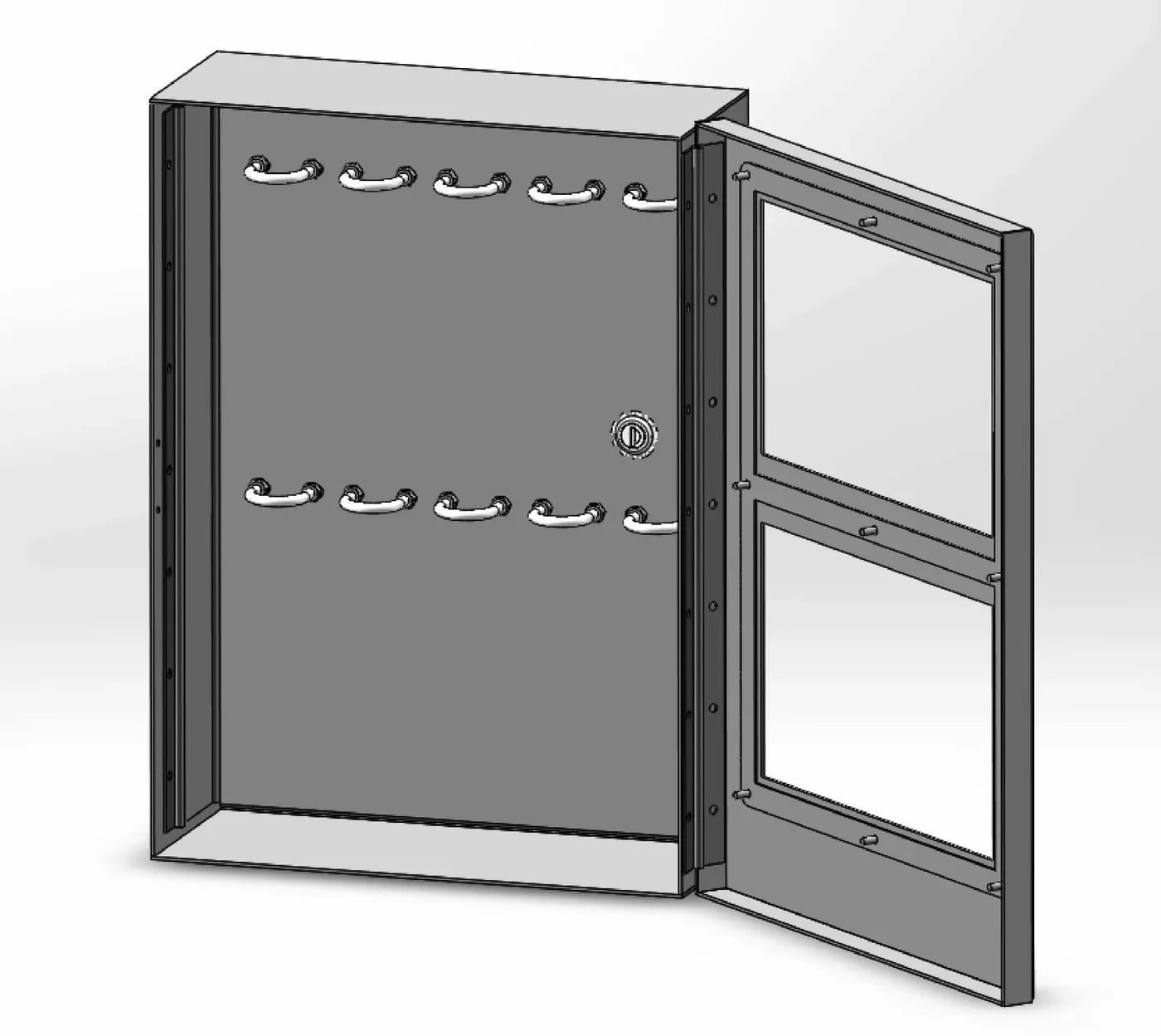
Day to day, a property manager can expect far less lockbox chaos and a clear record of every booking. Realtors reserve numbered slots through the web interface without calling the office. The Smart Rack Platform logs who reserved which slot and for how long. The building collects slot-rental revenue, and stray boxes stop appearing on railings, because there is now one obvious place for them.
The biggest daily shift is the audit trail. Traditional lock boxes are anonymous by design. The BC Financial Services Authority and other regulators warn that an anonymous code can be shared or guessed. A numbered, reserved slot ties access to a booking instead. That is the core of good lock box management.
| Factor | Scattered lock boxes | Managed LockboxRack rack |
|---|---|---|
| Access record | None; boxes are anonymous | Every slot booking is logged |
| Location control | Railings, fences, meters | One building-controlled spot |
| Revenue to the building | Nothing earned | Slot-rental income |
| Removal at closing | Often forgotten | Slot frees when the listing ends |
| Regulator alignment | Weak | Matches RECO Bulletin 7.2 (2024) |
Here is what a first week tends to look like. A realtor lists a unit and books an open slot online. They place their own key box in that numbered slot. The concierge sees a labelled rack instead of a mystery box. When the listing closes, the slot is released for the next agent. I noticed that the removal problem, boxes left behind after closing, largely solves itself once the slot has an end date tied to the listing.
Expect questions from agents at first. Many are used to an electronic box such as SentriLock clipped to a railing. As of 2026, SentriLock reports more than 500,000 agents use its electronic lockboxes, per the SentriLock website. The rack does not replace that key box; it gives the box a numbered home. Their habits still apply, and, as of RECO Bulletin 7.2 (2024), a temporary code must expire within 72 hours of being issued.
For more property manager walkthroughs like this one, browse the LockboxRack blog on lock box management.
Expect the 72-hour rule to keep mattering. RECO Bulletin 7.2 and the National Association of Realtors both hold that a temporary access code should expire within 72 hours of being issued. A rack does not override that; it complements it. The code still controls the key inside the box, and the rack now controls where that box sits and who booked the slot. Together they give a property manager both halves of the record, the code side and the location side.
There is a compliance angle worth spelling out. Boards increasingly ask managers to show who entered common areas and when. A scattered lockbox cannot answer that, because the box is anonymous and the code is shareable. The rack answers it by design: the booking names the slot, the agent, and the window. When a board asks how does lockboxrack work for property managers during an access dispute, the log is the answer, not a guess.
Want the platform view? Discover how the Smart Rack Platform tracks every slot and see the record a manager holds on day one.
Tips For Property Managers Setting Up LockboxRack The First Time
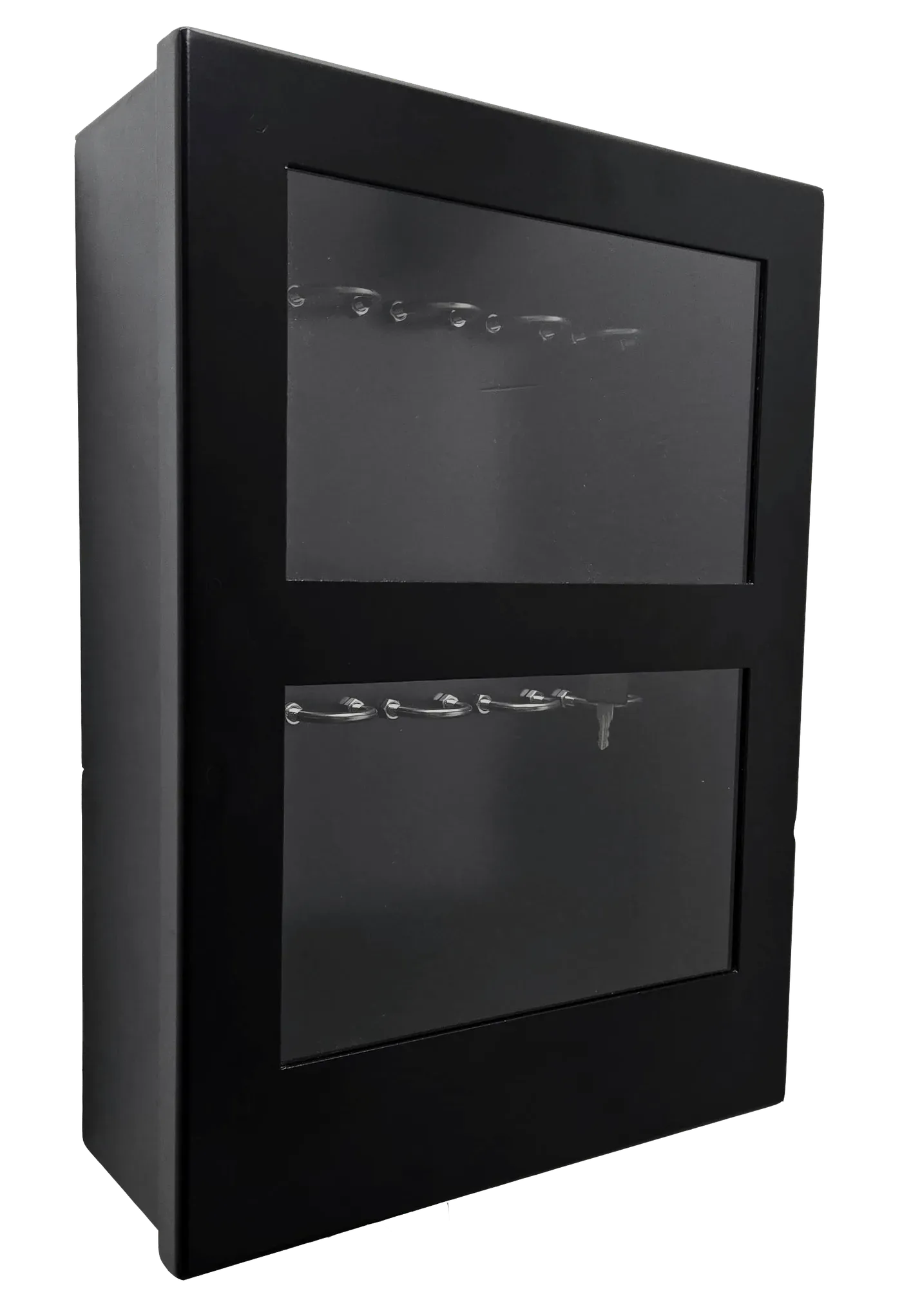
For a first setup, the best results come from treating the rack as a policy tool, not just hardware. Pick one controlled location, write a short access policy, brief the concierge, and tell your listing agents where to book a slot. Property managers who set expectations early see fewer stray boxes and faster agent adoption in the first month.
These are the steps I hand to every new building. They take an afternoon and save weeks of back-and-forth.
- Write the access policy first. RECO and the National Association of Realtors both stress a documented plan for who reaches the keys.
- Brief your front desk. The concierge should know the rack is the only approved lockbox spot.
- Announce the numbered slot to agents. Ask them to reserve online before they arrive.
- Set each slot to the listing length. Tie the reservation to the listing so it self-expires.
- Review the auditable access log weekly. Confirm the record matches what the front desk saw.
We recommend starting with a single rack in your busiest building before rolling the model across a portfolio. That keeps the learning curve small. In our experience, the concierge briefing matters more than any setting in the software, because the front desk is where an agent asks their first question.
One more tip on the money side. Because a numbered slot carries slot-rental revenue, decide your rate and your billing cadence before launch. The platform handles the reservation; your management agreement handles the accounting. Settling this early avoids awkward mid-month conversations with agents.
Watch the first two weeks closely, then step back. Early on, a quick daily glance at the auditable access log tells you whether agents are booking before they arrive or still improvising. Once the pattern holds, weekly is enough. Most of the friction I see is habit, not software, and habit settles fast when the front desk stays consistent.
Ready to plan a first install? Get Started with a LockboxRack demo and walk through setup with the team in Hamilton.
How Does LockboxRack Compare To Other Lock Box Management Options?
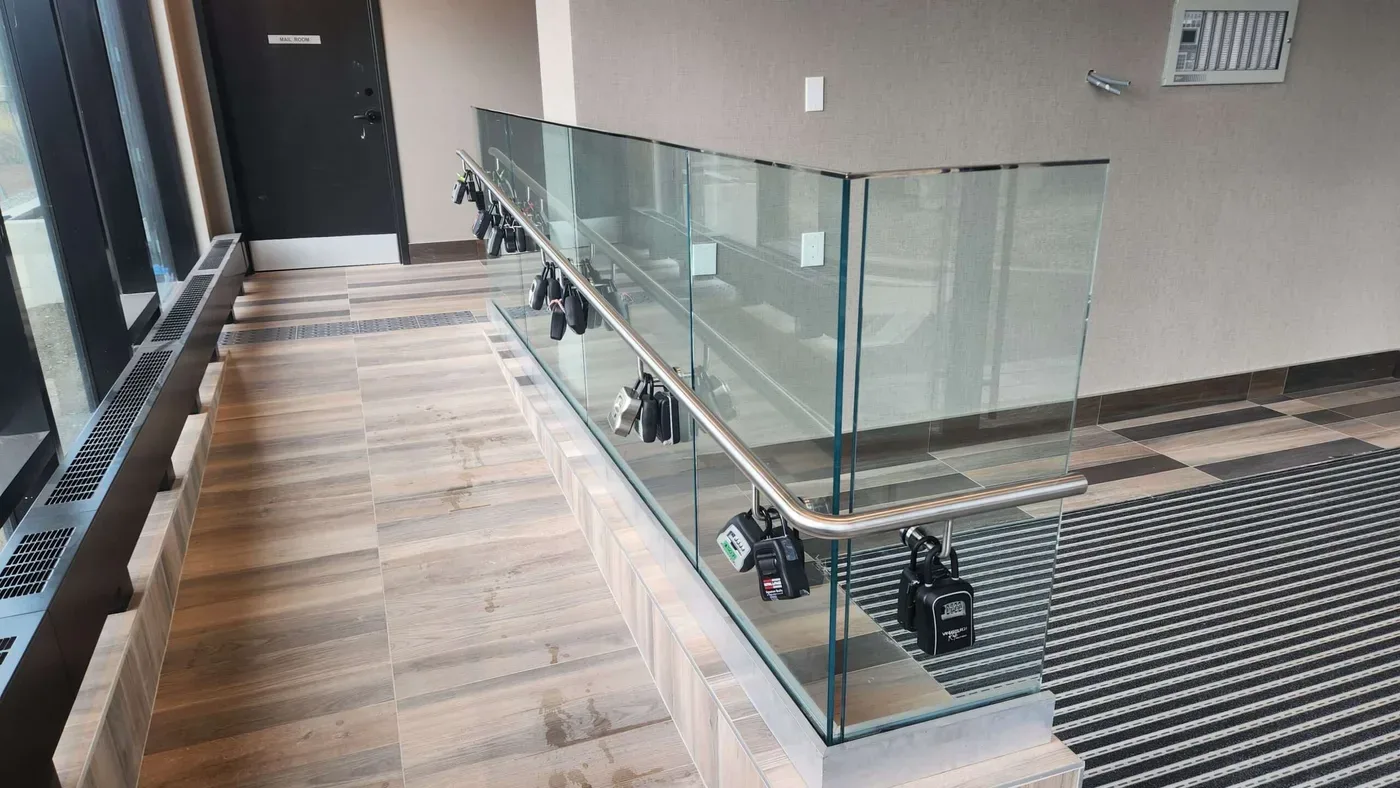
LockboxRack is not an electronic key box. It is the managed rack the boxes live in, plus the software that rents the slots. That makes it complementary to products like SentriLock rather than a straight swap. Where an electronic box controls one door’s key, a rack controls the location, the record and the revenue for every box in the building.
Property managers weighing lock box management usually look at three approaches. Electronic lock boxes, such as those from SentriLock, secure the key itself but still hang wherever an agent clips them. Master-key systems put access in the manager’s hands but raise privacy and liability questions. A managed rack sits between them: agents keep their own boxes, and the building keeps the record.
Within LockboxRack there are two rack lines. RackLite and RackVault are the hardware options, and the Smart Rack Platform is the software that runs reservations across either one. The right line depends on your building’s traffic and how much you want the slots enclosed. Rather than guess, compare them directly on the product pages.
Explore RackLite for smaller buildings, or See What RackVault Offers a high-traffic tower. Both run on the same Smart Rack Platform, so the booking experience is identical for your agents.
The wider industry has questioned the old railing lockbox for years. A real estate executive made the case plainly in Forbes.
“Lockboxes can be easy targets for house burglars and trespassers. If the combination falls into the wrong hands, sellers are essentially leaving their homes wide open to possible theft.”Elizabeth Ann Stribling-Kivlan, Forbes Real Estate Council (2019)
Master-key systems deserve their own note. Handing a building master key to visiting agents concentrates risk, because one lost key can compromise every suite. Property managers who go that route usually write a strict master-key access plan covering who may hold the key and when. A managed rack sidesteps that: each agent keeps their own key box, so no single failure exposes the whole building. For many boards, that is the deciding difference in lock box management.
A managed rack does not change the key box itself. It removes the anonymity around it. That is the gap LockboxRack is built to close, and it is why the model reads as condo building access control rather than a gadget. For related guides, see the LockboxRack blog on condo access control.
Getting Started And Onboarding With LockboxRack In Hamilton
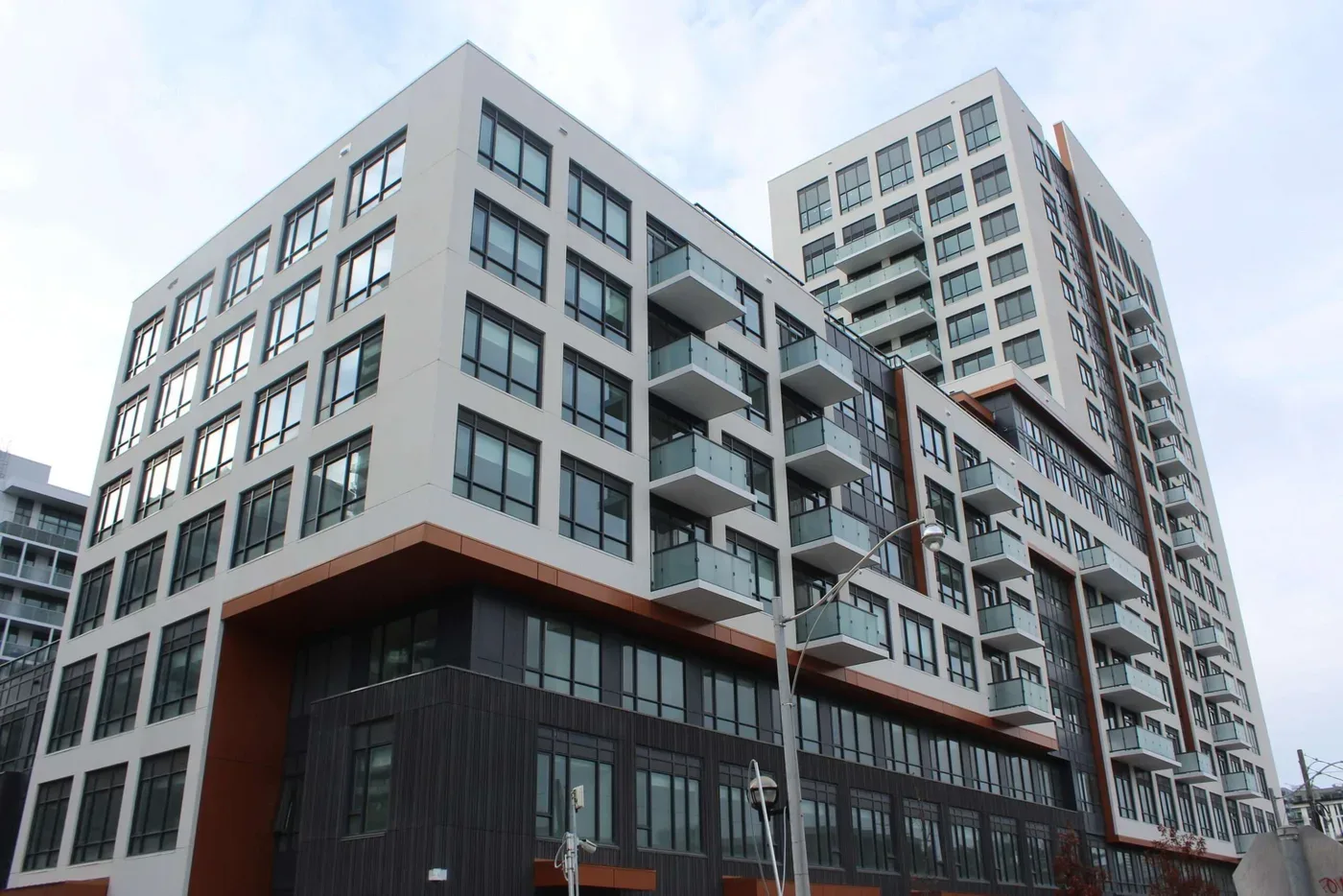
Getting started with LockboxRack begins with a conversation about your building, not a hardware order. A property manager contacts the Hamilton, Ontario team, picks a rack line, chooses the controlled location, and the Smart Rack Platform is set up for online slot reservations. Agents then book numbered slots through the web interface and scan a QR code to confirm. There is no separate app to download.
The onboarding sequence is short. You confirm the location against the RECO guidance above. You set your slot rate. You brief the concierge and email your regular listing agents. From the first booking, the building has an auditable access log.
Because everything runs through a web interface and a QR code scan, there is nothing for agents to install. That lowers the adoption hurdle, which is the single biggest predictor of whether a new access policy sticks. When we visited buildings mid-rollout, the agents who booked their first slot online rarely went back to clipping a box on a railing.
One practical note on timing. The easiest month to launch is a slower listing month, when only a few slots are in play and the concierge can learn the rack without a rush. Roll it out ahead of your busy season, not during it. By the time listings pick up, the numbered slot is simply how the building works.
LockboxRack keeps its head office and warehouse in Hamilton, Ontario, Canada, so the hardware and the support come from one place. If you manage a condo or apartment building and want the audit trail plus the slot-rental revenue, the next step is a short demo.
Step back and the model is easy to summarize. The building trades a wall of anonymous boxes for one rack it controls. The property manager trades guesswork for an auditable access log. And a corner of shared space that earned nothing starts producing slot-rental revenue tied to real listings. None of that requires an app, a camera, or a new key system. It needs one smart lock box rack, one written policy, and a front desk that knows the rule.
Get Started by booking a LockboxRack demo, or Explore the full product range first. You can also read more guides on the LockboxRack blog.
Frequently asked questions
How does LockboxRack work for property managers, in simple terms?
Where should a property manager install the lock box rack?
Does LockboxRack replace an agent's electronic lock box?
How do realtors reserve a numbered slot?
Is there a LockboxRack mobile app?
How does the building make money from a lockbox rack?
What is the difference between RackLite and RackVault?
Does LockboxRack keep a record of who accessed the rack?
How long can a realtor keep a numbered slot?
Where is LockboxRack based?
Can LockboxRack work in an apartment building, not just a condo?
What happens to a numbered slot when a listing ends?
Ready to get started with LockboxRack?
The organized, auditable alternative to lock boxes zip-tied to fences, pipes and fire exits: one fixed rack, numbered slots, online reservations and a paper trail, so buildings stop absorbing realtor access as an unpaid, unmanaged burden.
1.How Does LockboxRack Work For Property Managers: A Complete Overview2.Where Do Property Managers Install The LockboxRack Rack?3.What Should A Property Manager Expect From Day-To-Day Use?4.Tips For Property Managers Setting Up LockboxRack The First Time5.How Does LockboxRack Compare To Other Lock Box Management Options?6.Getting Started And Onboarding With LockboxRack In Hamilton7.Frequently asked questions